
Stimulants: What They Treat, Their Risks, and How They’re Used Safely
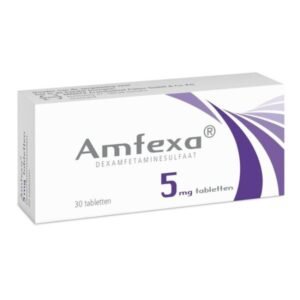
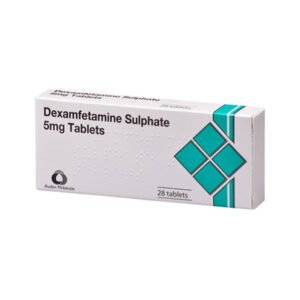
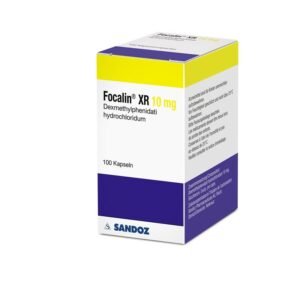
ADHD stimulants addictive are prescription medicines that increase dopamine and norepinephrine activity in the brain. This class includes amphetamines and methylphenidate. Most often prescribed for attention-deficit/hyperactivity disorder (ADHD) and, less commonly, narcolepsy. For many people with ADHD, they meaningfully improve attention and impulse control.
They also carry real risks. In 2023 the FDA required an updated boxed warning. Across the entire stimulant class covering misuse, abuse, addiction and overdose, and stating the medicine should never be shared. In August 2025, a further label update warned about weight loss. And other adverse effects when extended-release stimulants are used in children under six. Cardiovascular effects mean extra caution is needed for people with existing heart conditions.
Any change in use should go through the prescriber, not be adjusted alone.
How stimulants work
Dopamine and norepinephrine activity is increased, which appears to help regulate under-active attention networks in ADHD — why a “stimulating” medicine has a focusing rather than agitating effect.
What stimulants are prescribed for?
Mainly ADHD, in children, adolescents and adults; some formulations also treat narcolepsy. First-line pharmacological treatment in most clinical guidelines, usually alongside behavioural strategies.
Types of stimulants
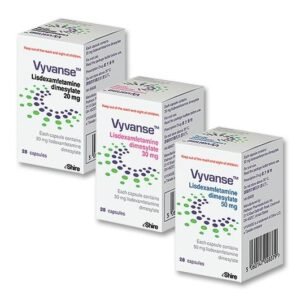
Two main groups: amphetamines (including lisdexamfetamine) and methylphenidate. Both come in immediate- and extended-release forms; extended-release generally carries lower misuse potential.
Side effects
Reduced appetite, sleep difficulty, headache, irritability, and effects on heart rate and blood pressure. Growth is monitored in children on long-term treatment.
Dependence and misuse
Tolerance and physical dependence can develop with regular use.
Misuse — taking someone else’s medication, or off-label — carries real addiction and cardiovascular risk; most misuse involves medication from a family member or peer.
Stopping or changing a stimulant
Not typically linked to severe withdrawal, but stopping can bring rebound fatigue, low mood, and returning ADHD symptoms. Always plan changes with the prescriber.
Interactions
Other substances that raise heart rate or blood pressure increase cardiovascular risk. MAOIs have a serious, dangerous interaction with stimulants.
Higher-risk groups
Extra caution for existing heart conditions, high blood pressure, substance use history, or family history of sudden cardiac death. Extended-release stimulants now carry a specific warning for children under six.
When to get urgent help
Seek emergency care for chest pain, fainting, a racing or irregular heartbeat, or stroke signs. Contact a prescriber promptly for significant weight loss, mood change, or signs of misuse.
FAQ (short answers)
Are stimulants addictive? They carry a boxed warning for misuse, abuse, addiction and overdose, and are Schedule II controlled substances. Most people using them as prescribed don’t develop addiction, but the medicine should never be shared.
Are stimulants safe for the heart? They typically raise heart rate and blood pressure somewhat, which is why cardiovascular history is checked before starting.
Amphetamines vs. methylphenidate
What’s the difference? Both raise dopamine and norepinephrine activity for the same conditions but work through somewhat different mechanisms; choice usually comes down to individual response.
Can you become dependent on ADHD medication? Yes, tolerance and physical dependence can develop with regular use, separate from addiction — stopping can cause temporary rebound symptoms worth planning for.
Is an extended-release stimulant safe for a young child? Most stimulants aren’t FDA-approved under age six; since August 2025 the label specifically warns of higher drug levels and adverse effects at that age.